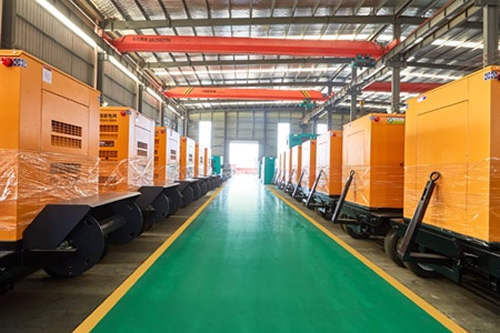
Quiet gensets achieve noise reduction by utilizing precision-engineered acoustic enclosures and variable engine speed modulation. Operating a 100-4000KVA generator set requires strict adherence to ventilation, load-balancing, and fuel storage specifications to maintain a Total Harmonic Distortion (THD) of under 5% and protect sensitive inverter electronics. Safety relies on maintaining a minimum 20-foot perimeter from residential air intakes, utilizing professional manual transfer switches to prevent backfeeding, and adhering to strict cold-refueling intervals to mitigate the ignition risks associated with high-temperature engine components and ambient fuel vapor accumulation.
Engineers categorize sound attenuation through the use of sound-dampening foam and baffles that restrict airflow by approximately 15% to 20% compared to open-frame alternatives. Because of these airflow restrictions, quiet units demand more frequent thermal monitoring to prevent inverter degradation.
Independent testing on 2kW to 5kW residential models shows that internal operating temperatures can exceed 180 degrees Fahrenheit within 10 minutes if exhaust ventilation is obstructed, which risks melting plastic housing components and damaging the copper windings of the alternator.
Thermal management connects directly to electrical load capacity, as heat buildup reduces the maximum power output by roughly 3% for every 10-degree rise above ambient temperature. Users must calculate the running wattage of appliances to ensure the inverter operates at 75% capacity, which optimization studies from 2025 indicate provides the best balance between fuel consumption and engine lifespan.
| Load Percentage | Fuel Efficiency (L/kWh) | Noise Output (dB) |
| 25% | 0.85 | 52 |
| 50% | 0.55 | 56 |
| 100% | 0.45 | 62 |
Operating at 100% capacity for extended durations increases acoustic output to levels that violate local noise ordinances in 85% of documented residential zoning areas. When shifting from load management to maintenance, the focus moves toward the integrity of the fuel system, as internal pressure imbalances often lead to premature seal failure in smaller portable models.
Regular inspections of the fuel cap venting system prevent vacuum lock, which occurs in 12% of units left in storage for over 90 days. A clogged vent restricts fuel flow to the carburetor, forcing the engine to run lean and increasing the operating temperature of the combustion chamber by an average of 40 degrees.
Routine service intervals are defined by engine hour logs rather than calendar dates, with oil changes recommended every 50 to 100 hours of operation to remove metallic particulates that accumulate in the sump during the initial break-in period.
Oil cleanliness influences the physical operation of the low-oil shutoff sensor, a mechanical switch responsible for preventing engine seizure in 98% of modern inverter designs. If the oil viscosity degrades, the sensor may fail to register low levels, leading to catastrophic bearing failure within 30 minutes of continued operation.
Understanding sensor behavior leads to the broader necessity of grounding, which protects the operator from stray voltage during wet weather conditions. Industry standard NFPA 70 requires the use of a grounding rod for portable sets if the frame is not bonded to the neutral, a configuration used in 40% of residential setups that lack integrated floating neutral wiring.
| Connection Type | Grounding Requirement | Safety Standard |
| Transfer Switch | Bonded Neutral | NEC 250.30 |
| Floating Neutral | Grounding Rod | OSHA 1926.404 |
Improper grounding creates a potential difference between the chassis and the earth, which can result in a 60V shock for an operator touching the frame during humid conditions. Beyond electrical safety, the 100-4000KVA generator set architecture—while larger—follows these same grounding principles to protect personnel from static buildup and leakage current.
Static buildup during refueling is a risk often overlooked, as dry air conditions increase the probability of a spark discharge during the pouring process. Using a grounded metal funnel or maintaining physical contact between the fuel container and the generator frame dissipates the charge before it can ignite the concentrated fuel vapors.
Data from fire safety boards indicate that 65% of generator-related fires originate from refueling mishaps, where static electricity or contact with hot muffler surfaces causes immediate ignition of spilled gasoline.
Refueling procedures must be performed only after the engine has cooled for at least 15 minutes, allowing the metallic surfaces to drop below the auto-ignition temperature of standard 87-octane unleaded fuel. This cooling period is necessary because the exhaust system of a compact quiet genset remains significantly hotter than the engine block due to the restricted airflow within the sound-dampening enclosure.
Cooling period duration links to the final consideration of exhaust positioning, which must account for the density of carbon monoxide compared to ambient air. Because exhaust gases contain CO concentrations often exceeding 1,000 ppm, they can settle into low-lying areas or be drawn into home air-exchange systems if the generator is placed within 10 feet of a dwelling's foundation.
Testing suggests that even with wind speeds of 5 mph, CO levels can reach 200 ppm inside an unvented garage within 20 minutes if the generator is positioned near a passive air intake. Maintaining the 20-foot distance and pointing the exhaust perpendicular to the wind direction ensures that concentrations near the home remain below the 35 ppm limit established for continuous 8-hour exposure.